

Understanding the Aviator Betting Game in Nigeria
🎲 Discover how the Aviator betting game works, master winning strategies, spot reliable platforms, and stay safe with legal tips for Nigerian players 🇳🇬💰
Edited By
Jide Olaniyan
Becoming an aviator in Nigeria is a goal many ambitious young people hold, but the path to the cockpit requires dedication, skill, and a clear understanding of what the role entails. An aviator, simply put, is a trained pilot responsible for flying aircraft, whether commercial planes, private jets, or cargo carriers.
The job goes beyond just flying; it involves planning flights carefully, monitoring weather conditions, communicating with air traffic controllers, and ensuring passenger and cargo safety throughout the journey. Nigerian aviators work under regulations set by the Nigerian Civil Aviation Authority (NCAA), which demands strict adherence to safety standards.
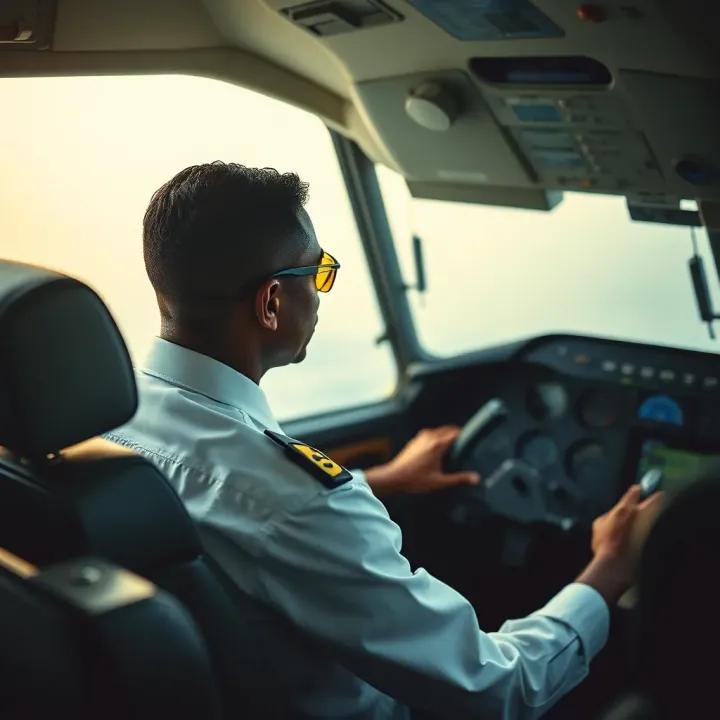
Training to become an aviator typically begins at accredited flight schools like the Nigerian College of Aviation Technology in Zaria. Trainees must log a minimum number of flying hours and pass both theoretical and practical exams before earning their pilot’s licence. Various certifications exist, such as the Private Pilot Licence (PPL) for hobbyist pilots, Commercial Pilot Licence (CPL) for those planning to fly professionally, and Airline Transport Pilot Licence (ATPL) for commanding large jets.
Nigerian aviators often face unique challenges such as ageing fleets, erratic power supply affecting simulators, and fluctuating naira exchange rates that make fuel and maintenance costs unpredictable.
Career opportunities in Nigeria’s aviation sector are growing steadily despite hurdles. Airlines like Air Peace, Arik Air, and Dana Air regularly recruit pilots, while international opportunities remain open for those with experience. Flight instructors, aviation safety inspectors, and air traffic controllers also form part of the broader aviation career ecosystem.
Prospective pilots should consider the financial commitment early; flight training can cost upwards of ₦15 million, depending on the programme and hours spent. Sponsorships and scholarships are available but limited, making it crucial to plan finances carefully.
Clear communication skills, constant learning to keep up with technology, and physical fitness form part of the carrier’s daily demands. For tech-savvy and finance-savvy readers, understanding the role of an aviator in Nigeria connects to broader themes of managing expensive equipment, navigating regulatory frameworks, and adapting to fast-changing market conditions.
This article will take you through the skills required, training paths, and career prospects, aimed at demystifying what it really takes to fly planes in Nigeria's challenging yet promising aviation landscape.
An aviator is more than just a pilot; they are skilled professionals responsible for safely operating aircraft, often under complex conditions. In Nigeria's growing aviation sector, understanding what an aviator does helps clarify the critical role they play in connecting regions, boosting commerce, and supporting emergency services. Being an aviator requires a combination of technical knowledge, quick decision-making, and adherence to strict safety standards.
The term ‘aviator’ refers broadly to anyone who operates aircraft, from small private planes to large commercial jets. In Nigeria, aviators include commercial airline pilots, cargo pilots, agricultural aviators, and even helicopter operators. The role demands not just flying skills but also knowledge of aircraft systems, weather patterns, and navigation. It’s worth noting that while all pilots are aviators, not all aviators engage in the same type of flying — the context varies widely across sectors.
Pilots carry several important duties beyond simply flying planes. They must conduct pre-flight inspections to ensure the aircraft is airworthy, plan routes considering weather and air traffic, and communicate effectively with air traffic controllers. During flight, aviators monitor instruments closely and respond swiftly to any technical or environmental issues. For example, a pilot flying a Lagos-to-Abuja route must stay alert to the country’s often unpredictable weather patterns and ensure smooth communication with multiple control towers.
The aviation industry in Nigeria hosts several categories of aviators, each serving distinct purposes:
Commercial pilots: Operate passenger flights for airlines like Arik Air or Air Peace.
Cargo pilots: Handle logistics, transporting goods across cities or to neighbouring countries.
Agricultural aviators: Fly crop-dusting aircraft to support farming communities.
Helicopter pilots: Provide services ranging from medical evacuations to offshore oil rig transfers.
Private pilots: Operate privately owned aircraft, often for business or leisure.
Each category demands specialised training and licencing, reflecting the different challenges and responsibilities involved.
Knowing the range of aviators in Nigeria highlights the diverse opportunities for aspiring pilots and the multifaceted nature of the profession. This understanding is crucial for anyone considering a career in aviation or seeking to appreciate its impact on national development.
The journey to becoming a qualified aviator in Nigeria hinges greatly on proper training and certification. This ensures that pilots not only acquire the necessary theoretical knowledge but also develop hands-on skills essential for safe flight operations. Training fosters a strong foundation, while certification guarantees adherence to regulatory standards, safeguarding both pilots and passengers.

Prospective aviators must first meet specific educational benchmarks. Typically, at least five credits in WAEC or NECO exams, including Mathematics and Physics, are mandatory. These subjects underpin many concepts in aerodynamics and navigation. Beyond academics, budding pilots should demonstrate strong communication skills, quick decision-making, and excellent hand-eye coordination — all vital for managing cockpit controls and responding swiftly to in-flight situations.
Nigeria offers various flight training options, including institutions like the Nigerian College of Aviation Technology (NCAT) in Zaria, widely recognised for its structured programmes. Other private flight schools such as Aero International and 360 Aviation Academy provide practical training tailored for commercial pilot licences. These schools combine ground school theory with simulator sessions and real flight hours, helping students gain the confidence and competence required for diverse flying conditions. Costs vary but expect to invest around ₦5 million to ₦15 million, depending on the course and duration.
Obtaining a pilot licence in Nigeria involves passing several exams and accumulating specific flight hours. The Nigerian Civil Aviation Authority (NCAA) oversees certification, ensuring candidates meet international safety standards. For instance, to acquire a Private Pilot Licence (PPL), you need a minimum of 40 flight hours; Commercial Pilot Licence (CPL) demands at least 200 hours of logged flight time. Additionally, candidates must pass written tests covering meteorology, navigation, and air law. Once certified, aviators receive licences valid for periods requiring recurrent checks to maintain flying privileges.
Proper training and certification set the foundation for a lasting career as an aviator. It's not just about flying; it's about mastering safety, regulations, and technical knowledge critical for Nigeria’s complex aviation environment.
Understanding these training and certification steps equips aspiring pilots with the clarity needed to navigate their career path effectively.
Exploring career opportunities and progression is vital for any aspiring Nigerian aviator. This section outlines the practical steps one can take, the pathways into commercial aviation, and other options within the industry that offer steady growth and prospects for ₦-earning potential. Knowing these helps you plan effectively and understand the realities of an aviator’s journey in Nigeria.
Starting a career as an aviator in Nigeria typically begins with obtaining a Private Pilot Licence (PPL), which allows flying smaller aircraft. Many pilots begin working as flight instructors or charter pilots to build flying hours. For example, a fresh pilot might teach cadets at a flight training school in Lagos or fly light planes for local agricultural businesses. This phase is crucial as airlines and larger aviation companies often require a minimum number of flying hours — usually 1,500 before offering a commercial pilot position.
It’s also common to start in roles like co-pilot positions on regional or domestic flights. This stage offers valuable experience managing real-world flying situations under supervision. Some initiate their careers by joining cargo operations or flying surveillance and emergency medical services, which are more accessible than major airline routes at the onset.
After gathering enough flight hours and obtaining a Commercial Pilot Licence (CPL), pilots can apply to major airlines such as Arik Air, Air Peace, or Azman Air. Advancement here depends heavily on continuous training, proficiency checks, and sometimes additional type ratings for specific aircraft like Boeing 737 or ATR 72.
Specialised flying offers another growth avenue. This includes helicopter piloting for oil and gas companies in the Niger Delta, firefighting aviation, or flying private business jets. For instance, pilots working for offshore companies may earn higher pay and gain unique skills due to the demanding nature of these assignments.
Also, some aviators transition to becoming captains after years as first officers, taking on leadership roles with increased responsibilities and better financial rewards.
If a pilot chooses not to stay strictly in flying, there are several career options within the aviation ecosystem. Becoming an aviation safety inspector with the Nigerian Civil Aviation Authority (NCAA) or working in airport operations provides related but diverse opportunities.
Others move into aircraft maintenance management, flight dispatch, or even aviation education, training the new generation of Nigerian pilots. For example, senior aviators sometimes open their own flight training centres or consult for local airlines and aviation start-ups.
There is also demand for pilots in the growing drone sector, especially in agriculture and security, where remote piloting skills are valuable.
Being flexible and open to diverse roles within aviation can keep your career resilient against the frequent economic and operational challenges of flying in Nigeria.
In sum, career progression for Nigerian aviators is a structured but diverse path. Starting small, building flight hours, shifting into commercial roles, and exploring specialised or alternative aviation jobs can provide a secure livelihood and professional satisfaction.
Aviators in Nigeria confront several challenges that affect their day-to-day operations and long-term careers. Understanding these issues sheds light on the complexities of flying within the country’s unique aviation environment. These challenges often translate into practical difficulties that can limit growth and safety, demanding attention from both stakeholders and policymakers.
Nigeria’s aviation infrastructure struggles with ageing equipment, outdated airports, and inconsistent maintenance of aircraft. Many airports, especially outside Lagos and Abuja, lack modern navigation aids and runway lighting, making night or bad-weather flights riskier. For example, smaller regional airports often see delayed upgrades, restricting pilots’ ability to operate efficiently. Additionally, the cost and availability of quality spare parts remain a problem. Aircraft maintenance can be delayed or compromised because some operators depend on tokunbo (imported used) parts due to high expenses of new components. These gaps force aviators to spend more time and resources addressing mechanical issues, which increases operating costs and risks.
The Nigerian Civil Aviation Authority (NCAA) oversees regulations but enforcement remains patchy. While there are clear safety standards, implementation is sometimes inconsistent, weakening overall aviation safety. Pilots face frequent regulatory changes and delays in licensing renewals or approvals, which can stall careers. Moreover, air traffic control systems suffer from intermittent disruptions, leading to communication mix-ups. In one case, delayed upgrades to radar systems caused flight delays. Pilots must also be vigilant against informal pressures to bypass procedures. Adhering to international safety standards demands constant vigilance, yet local challenges persist.
Economic instability heavily influences aviation operations in Nigeria. Fluctuating naira exchange rates increase costs for fuel, aircraft parts, and training abroad, making financing difficult. Many local airlines struggle financially, resulting in salary delays or job insecurity for pilots. The high cost of flight hours and recurrent training means aspiring aviators often face barriers to entry or advancement. For instance, while some Nigerian pilots find opportunities in regional hubs like Accra or Johannesburg, local options remain limited. Aviation-related taxes and levies further increase operational expenses, sometimes passed on to consumers and pilots alike. Despite Nigeria’s growing middle class, the limited passenger base means airlines operate on thin margins, impacting career growth and job stability for aviators.
These challenges form the daily reality for Nigerian aviators and should be weighed carefully by anyone considering a career in this field. Addressing these issues requires coordinated effort—from improved infrastructure investment to more dependable regulatory frameworks and economic policies supportive of aviation growth.
In sum, pilots in Nigeria navigate a tough operating climate marked by infrastructure gaps, regulatory hurdles, and economic volatility. Yet, these obstacles coexist with emerging opportunities, making resilience and informed decision-making vital for anyone in the career path of an aviator here.
The Nigerian aviation sector is shifting rapidly, offering fresh prospects for aviators ready to adapt. Understanding this future is key for those eyeing a career as pilots or related roles. The industry's evolution — shaped by domestic demand, technology, and government efforts — promises new paths and challenges for Nigerian aviators.
Domestic air travel is expanding steadily, driven by Nigeria's booming population and rising middle class. Airlines like Air Peace, Arik Air, and Dana Air are increasing flight frequencies and routes, connecting major cities and smaller hubs. For instance, Air Peace recently added direct flights between Lagos and cities like Owerri and Abuja, boosting travel efficiency. This expansion means more pilots are needed, especially for short-haul flights within Nigeria and neighbouring West African countries.
Regional air travel to destinations such as Accra, Dakar, and Abidjan is also gaining ground. The Economic Community of West African States (ECOWAS) protocols encourage easier cross-border travels, placing Nigerian aviators in a position to benefit from multilateral flight opportunities. As intra-African trade improves, so does the demand for frequent air services, creating openings for aviators to join regional fleets or charter services.
Technology is reshaping how pilots operate both in cockpits and on the ground. Modern aircraft employ advanced avionics systems that automate many flight functions, but pilots still play a vital role in decision-making and safety. Nigerian aviators must stay updated with the latest navigation technology, digital communication, and flight management systems. Training towards familiarity with glass cockpits, fly-by-wire controls, and satellite-based surveillance is becoming more important.
Moreover, simulators with virtual reality and artificial intelligence help pilots train more effectively without added fuel costs. Nigerian flight schools that integrate such tools position their students better in global standards. On the flip side, adapting to these technologies requires ongoing education and investment in skill upgrades.
The Nigerian government has rolled out policies to support aviation growth, such as the National Civil Aviation Policy, which focuses on safety, infrastructure, and capacity-building. Agencies like the Nigerian Civil Aviation Authority (NCAA) regulate standards and licensing to align local practice with International Civil Aviation Organization (ICAO) benchmarks.
Incentives for airlines and airports aim to ease operational costs, helping carriers maintain viability and expand fleets — indirectly opening more pilot jobs. Also, partnerships with foreign aviation bodies help improve pilot training quality. The government’s recent push for more local content means aspiring aviators have greater chances for employment within homegrown airlines.
Nigerian aviators stand at a crossroads where expanding routes, smarter planes, and supportive policies converge. Seizing these opportunities depends on continuous skill development and awareness of industry trends.
Looking ahead, the growing skies over Nigeria require pilots ready to match pace with dynamic changes. For anyone considering aviation, now is the time to plan strategically and follow through with proper training and certifications to make the most of this evolving sector.
🎲 Discover how the Aviator betting game works, master winning strategies, spot reliable platforms, and stay safe with legal tips for Nigerian players 🇳🇬💰

🎲 Discover Aviator Bet—the thrilling game Nigerians trust! Learn how it works, strategies for smart bets, and tips for responsible play on legal, safe platforms. 🇳🇬💰

🎮 Learn how to download and install Easywin Aviator app APK safely on your Android in Nigeria. Get top tips, iOS options, and understand local gaming laws clearly.

Learn how to register on Easywin, Nigeria’s favourite sports betting platform ⚽️🏀. Get step-by-step guidance, required documents, tips, and solutions to registration issues.
Based on 5 reviews