

Effective Strategies for Winning at Easywin Mines
🎲 Master Easywin Mines with smart betting and risk control! Learn key rules, local tips, and stake management to boost your ₦ game in Nigeria today.
Efficient resource extraction starts with clear strategies that balance productivity and cost. In Nigerian mining contexts, this often means working smart to get the most from limited equipment and fluctuating energy supply.
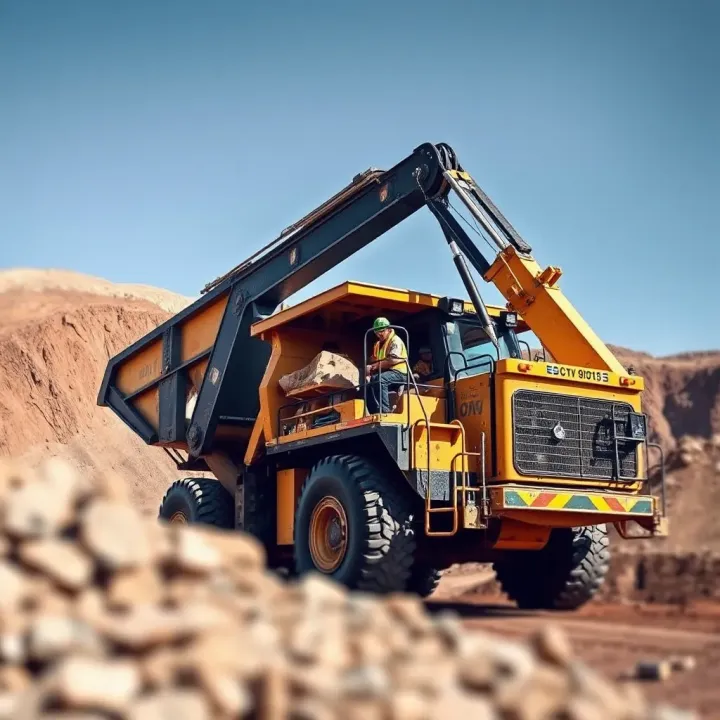
Before sinking any capital, thorough exploration and resource evaluation must be done. Use geological surveys combined with modern technology like drone mapping or geophysical sensors to pinpoint deposits accurately. For instance, several Nigerian artisanal miners have improved output by adopting simple GPS tools for mapping their claims.
Effective mine planning reduces waste and downtime. Design your extraction phases in a logical sequence, prioritising areas with higher yields first. Consider seasonal challenges such as heavy rains in the southern states that can disrupt operations. Scheduling heavy excavation during dry periods minimises delays and equipment wear.
Mining accidents cost lives and money. Rigorous safety protocols, including regular training, correct use of personal protective equipment (PPE), and emergency drills must be standard. For example, introducing weeky safety audits in smaller mines has helped reduce incidents significantly.
A safe mine is not just about compliance. It’s an investment in reliable output and worker trust.
Sustainability is critical for the mine's lifespan and community relations. Practice controlled blasting and avoid over-extraction by monitoring ore bodies carefully. Nigerian mines benefit from using environmental impact assessments to guide waste disposal and land rehabilitation.
Integrating local environmental and logistical knowledge enhances operational efficiency. Miners in Jos Plateau have shown success by collaborating with local experts to navigate terrain and resource distribution better.
Carry out detailed surveys before extraction to avoid costly errors.
Prioritise work that aligns with local weather and terrain challenges.
Regular safety checks and training save lives and improve productivity.
Apply sustainable methods to preserve resources and community goodwill.
Tap into local experience for practical solutions unique to Nigerian mines.
Focus on these tactics to boost yields and cut risks, tailoring solutions to the Nigerian landscape and market realities.
Grasping mining goals and resource potential lays the foundation for any successful mining venture. It ensures every step taken aligns with the intended outcome, optimising the use of resources and equipment while minimising costly errors. For example, a mining company targeting gold in Zamfara must clearly define what quantity of gold they expect to extract and how this fits Nigeria’s market conditions.
Assessing intended outputs and target minerals involves identifying the specific resources to mine—whether it’s tin in Jos or coal in Enugu—and understanding their market value and extraction challenges. This clarity helps the project focus on extracting valuable minerals rather than spreading efforts on less profitable by-products.
Setting realistic production targets means calculating achievable output volumes based on deposit size, available technology, labour capacity, and regulatory constraints. For instance, if a deposit holds around 500,000 tonnes of iron ore, expecting to extract 100,000 tonnes annually may be reasonable, whereas aiming for 200,000 tonnes could strain operations and finances.
Aligning mining plans with market demand is crucial. Mining companies must consider current and projected prices for minerals like limestone or coal domestically and internationally. If demand for a mineral drops, the project risks financial loss unless adjustments are made early. Equally, a surge in demand can justify ramping up operations.
Techniques for geological surveying in Nigerian terrains involve combining traditional field surveys with satellite imagery and geophysical methods. Given Nigeria's diverse geology, from the basement complex to sedimentary basins, surveys must adjust to local conditions to accurately locate mineral deposits. Such detailed mapping saves time and money when the project moves to extraction.
Using core sampling and drilling results provides vital data about the depth and concentration of minerals. A mining team drilling core samples in Nasarawa, for example, will determine ore continuity and grade, which guides extraction methods. Without this, operations could be halted mid-way due to unexpected resource depletion or poor-quality ore.
Accurate resource estimation prevents over- or under-investment in mining projects. Underestimating the mineral quantity might cause premature shutdowns, wasting fixed costs, while overestimating can lead to increased debt and operational inefficiencies. Experienced geologists use statistical models alongside actual samples to ensure estimates reflect reality.
Clear objectives and thorough resource evaluation help mining projects run on steady ground, reducing avoidable loss and improving profitability. For Nigerian miners especially, practical planning around goals and resources determines success amid fluctuating markets and challenging environments.
By focusing on these fundamentals first, mining operations lay a steady groundwork for efficient resource extraction and sustainable business growth.
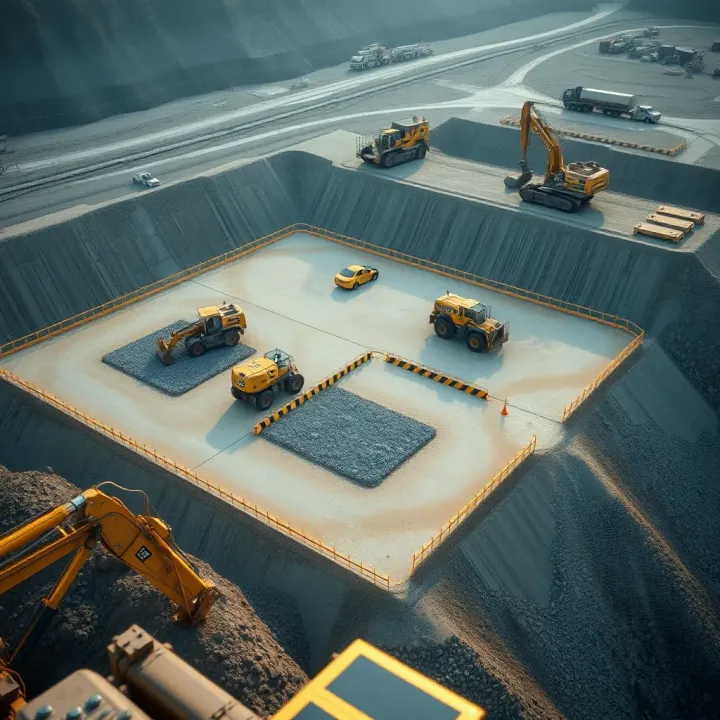
Planning plays a key role in mining operations, shaping how resources get extracted efficiently while keeping costs down. Proper planning ensures that every phase—from design to manpower scheduling—fits together smoothly, reducing idle time and maximising output. In Nigeria's challenging mining environment, this approach helps tackle local infrastructure limits and fluctuating market demands effectively.
Optimising shaft placement and access routes involves setting shafts where ore bodies are richest while ensuring quick, safe movement of workers and materials. A well-placed shaft can reduce haul distances significantly. For example, in a gold mine in Zamfara State, thoughtful shaft positioning cut down travel time underground by 30%, boosting daily productivity. Access routes, like tunnels and service paths, should avoid unstable zones to lower accident risks and maintenance costs.
Balancing open-pit and underground mining methods depends on the depth and type of mineral deposit. Open-pit mining, ideal for near-surface ores, offers faster extraction but can generate more waste and environmental disturbance. Underground mining suits deeper deposits with limited surface impact. Nigerian mines often combine both—first removing top layers by open-pit before switching underground to reach richer veins. This balance increases both yield and operational longevity.
Minimising waste rock handling focuses on reducing the movement of non-valuable material, which can sap budget and time. Sorting waste rock near the source and designing haul routes that limit back-and-forth trips help here. For instance, a coal mine in Enugu adopted on-site waste segregation, reducing haulage costs by 25%. Less waste transported means fewer fuel expenses and wear on haul trucks, which quickly adds up with Nigerian fuel prices.
Shifts and manpower allocation for continuous production call for careful timing to avoid bottlenecks or idle equipment. Most Nigerian mines run two to three shifts daily, enabling round-the-clock operation. Planning not only covers worker hours but machine maintenance windows to prevent overlap. For example, a Lagos-based granite quarry schedules routine servicing during lower activity shifts, keeping machines active during peak demand.
Training and retaining skilled workers is a practical challenge in Nigerian mining, where experienced hands can be scarce. Investing in regular training and certification improves safety and efficiency. Mines that develop talent in-house also boost loyalty, lowering the high turnover common in some regions. Shell’s offshore operations near Lagos serve as a model here; their systematic skills upgrade programme has maintained a stable workforce despite tough conditions.
Leveraging local community labour resources benefits both mining companies and host communities. Hiring locals reduces transport and accommodation costs while fostering goodwill. Many Nigerian states encourage mining firms to employ indigenous workers, often backed by government policies. However, it’s important to balance local hiring with the need for specialist skills, combining training initiatives with strategic recruitment.
Smart planning in mine layout and labour management can cut costs drastically and even extend a mine’s life, particularly under Nigerian operating conditions where infrastructure and market factors shift unpredictably.
Successful operations start with well-thought-out design and staffing that reflect local realities, not just textbook approaches. By focusing on these practical aspects, Nigerian mines can optimise resource extraction and maintain steady production even in challenging environments.
Using the right technology and equipment boosts efficiency and cuts costs in mining operations. Nigerian mines, where operational challenges like power outages and logistics delays are common, can gain significantly from suitably chosen machinery and digital tools. This section focuses on how to select and maintain equipment tailored to local conditions and how to apply digital solutions for better monitoring and control.
Mining machines must suit the specific geology and mineral characteristics of the site. For example, shallow deposits rich in tin or tantalite may require excavators and loaders that perform well in loose, unconsolidated soils. On the other hand, deeper deposits of lead or copper often call for drilling rigs and underground loaders designed for hard rock conditions. Using mismatched equipment risks increased wear and low productivity, which raises costs.
A practical case in Kaduna shows miners adopting compact drilling machines for narrow veins, reducing fuel consumption while improving ore recovery. Similarly, open-pit operations targeting granite usually rely on hydraulic shovels that balance power and manoeuvrability. Knowing your ore depth and geological formation helps to pick equipment that maximises extraction without frequent breakdowns.
Downtime from faulty equipment disrupts production schedules and inflates expenses. Regular preventive maintenance like lubrication, part replacement, and inspections extends machinery life. Nigerian mines often experience sudden power interruptions; thus, ensuring backup systems and quick repair protocols limits stoppages.
Training local technicians in routine maintenance helps reduce dependence on costly external experts. For example, some operators at Jos Plateau maintain their excavators daily, catching minor wear before it becomes major repair. These proactive steps save time and money, ensuring steady resource extraction.
High equipment costs can stall mining projects, especially when imports incur duties and forex charges. In Nigeria, opting for reputable brands with available spare parts locally balances initial cost and long-term serviceability. Buying tokunbo (used but still reliable) machinery is an option if fully inspected and refurbished.
Investing in fuel-efficient or electric-powered tools reduces reliance on costly diesel generators. For instance, adopting solar-powered pumps for water management in mines lowers operating expenses and environmental footprint. Always assess total cost of ownership rather than just purchase price.
Drones offer affordable, timely aerial views of mining sites, helping managers track progress and identify hazards without frequent site visits. Satellite imagery complements drones by providing broader geological data useful for exploration and environmental monitoring.
In states like Zamfara, where security concerns limit ground access, drones enable remote supervision, cutting risks and saving costs. Batch flights show changes in land contours and vegetation cover, informing decisions on waste disposal or erosion control.
Collecting data from equipment sensors, production logs, and environmental monitors creates a rich information base. Analysing this data reveals patterns — such as equipment inefficiencies or shifts with low output — that inform operational adjustments.
For example, a mining company in Enugu used data dashboards to monitor fuel consumption and machinery utilisation, reducing unnecessary engine idling by 15%. This translated to significant savings given Nigeria’s high fuel prices.
Safety remains a top priority in mining. Integrating sensors that detect gas leaks, vibrations, or unauthorized entries enhances onsite security. Automated shut-offs in machinery prevent accidents stemming from operator error or equipment failure.
Adopting automation for repetitive tasks like conveyor belt feeding reduces human exposure to risks. Nigerian mines experimenting with automated drills report fewer injuries and steady production even amid labour shortages.
Smart application of technology and local adaptation to equipment handle both productivity and safety challenges, creating a more resilient mining operation.
Embracing the right machines and digital tech is no longer optional; it’s a necessity for Nigerian mining ventures aiming for growth in a tough economic and operational climate.
Mining operations often bring significant risks to workers and the environment. Without proper safety measures and environmental care, accidents, pollution, and long-term damage can arise, affecting communities and the mine's sustainability. For Nigerian mines, where challenges like power outages and rugged terrain complicate daily operations, putting strong safety protocols and environmental practices in place is not just good ethics but good business. These efforts help protect lives, preserve resources, and secure regulatory compliance.
Risk assessment and hazard identification involve systematically examining mining sites to spot potential dangers before work begins. This means walking through the mine, inspecting machinery, and analysing procedures to find anything that could cause accidents—like unstable rock faces, faulty equipment, or poor ventilation. Conducting these assessments regularly helps catch issues early. For example, a safety team at a Nigerian open-pit mine might identify slipping hazards caused by loose gravel after heavy rains and address them immediately.
Providing personal protective equipment (PPE) is foundational for worker safety. Helmets, gloves, safety boots, and high-visibility clothing guard against common risks in mines. In Nigerian mines, where heat and dust present extra challenges, PPE like dust masks and cooling vests become even more critical. Supplying quality equipment encourages workers to comply with safety standards and reduces injury rates significantly.
Emergency response planning prepares the mine for unexpected incidents such as fires, collapses, or chemical spills. This involves developing clear evacuation routes, training teams on emergency procedures, and conducting simulations. For instance, mining companies in Nigeria should train workers on how to handle diesel spills promptly, reducing environmental damage and health risks. Having a well-drilled emergency plan can save lives and limit operational downtime.
Managing waste and tailings responsibly means handling leftover materials from mining carefully to avoid contamination. Tailings often contain harmful chemicals used in processing, and if not stored securely, can leak into soil or water sources. Nigerian mines must invest in proper containment facilities, like lined tailings dams, and monitor them regularly to prevent leaks. This protects nearby rivers and farmlands, sustaining communities downstream.
Rehabilitation of mined land is about restoring areas after extraction ends to prevent erosion, loss of biodiversity, and unsightly scars. Practical steps include refilling pits, replanting native vegetation, and improving soil quality. Some Nigerian mines have partnered with local communities to turn reclaimed land into farmland or recreation spots, providing fresh livelihoods and improving relations with host communities.
Adherence to Nigerian mining and environmental laws ensures operations meet standards set by authorities like the Ministry of Mines and Steel Development and the National Environmental Standards and Regulations Enforcement Agency (NESREA). Compliance avoids costly fines and licence suspensions. It also signals corporate responsibility, which can enhance reputation and attract investment. Keeping up with laws on waste management, air quality, and land use safeguards both the mine and surrounding communities.
Ensuring safety and environmental responsibility is not optional—it is a practical necessity for Nigerian mines that want to operate profitably, sustainably, and without legal interruptions.
Mining projects in Nigeria demand careful financial planning and risk management to stay profitable and sustainable. Without a solid grasp of financing needs and potential pitfalls, even well-planned operations can run into trouble. This section breaks down key aspects of budgeting, handling local cost pressures, and mitigating risks to keep mines productive and financially sound.
Estimating capital and operational expenses is the backbone of sound mine financing. Capital costs cover big-ticket items like machinery, mine development, and infrastructure, which in Nigeria could include setting up power generators due to inconsistent grid supply. Operational expenses cover day-to-day spending such as labour, fuel, equipment maintenance, and site management. Overlooking any category risks cashflow shortages that can halt production and inflate costs.
Handling fuel, power, and logistics costs in Nigeria adds complexity to budgeting. Fuel prices have been volatile, especially during fuel scarcity periods, which directly impacts running costs for generators and heavy equipment. Similarly, power outages force reliance on generators, inflating operational expenses. Logistics costs for transporting minerals from remote sites can be high, with poor road conditions slowing deliveries and increasing vehicle wear. Mines should factor in buffer amounts for these expenses to avoid surprises.
Planning for price volatility of minerals is essential since global commodity prices fluctuate frequently. Nigerian miners, especially those extracting gold, tin, or coal, face uncertainty over revenue which affects repayment of loans and reinvestment plans. Hedging strategies or short-term contracts can help stabilise income. It’s also wise to maintain cash reserves or flexible credit lines to ride out downturns without disrupting operations.
Addressing security threats and vandalism risks is critical for Nigerian mines. Remote locations often face theft of machinery, illegal mining, or sabotage by disgruntled groups. Installing adequate perimeter fencing, employing local community guards, and engaging security services can deter such threats. Failure to manage these risks can lead to major financial losses and production stoppages.
Mitigating operational delays and supply chain issues requires strong vendor relationships and alternative sourcing plans. For example, delays in obtaining spare parts from overseas can cripple equipment operation for weeks. Mines should collaborate with multiple suppliers, keep essential spares on site, and work with local logistics experts familiar with the terrain. This readiness cuts downtime and keeps production steady.
Insurance options and partnerships provide a safety net against unforeseen shocks. Miners in Nigeria can access policies covering equipment damage, environmental liability, and business interruption. Collaborating with reputable insurers familiar with the local mining sector ensures proper coverage. Furthermore, forming partnerships with financial institutions can ease access to emergency funds when emergencies strike.
Reliable financing combined with proactive risk management can make the difference between a mine that thrives and one that struggles. Planning for local challenges like fuel supply, security, and market unpredictability safeguards profitability and growth.
Together, these financial and risk controls help Nigerian mining ventures remain resilient and efficient in a challenging environment.
🎲 Master Easywin Mines with smart betting and risk control! Learn key rules, local tips, and stake management to boost your ₦ game in Nigeria today.

Master Easywin Mines with practical tips 🎯, smart betting 💡, risk control 📉 & common mistake alerts ⚠️ to boost your winnings in this popular online game 🇳🇬.

⚽ Easywin soccer prediction guides Nigerian football fans and bettors to spot winning matches, using data insights and tips for smarter bets while understanding risks.

🛍️ Shop smart with EasyWin in Nigeria! Discover convenient mobile shopping, earn rewards, stay secure, and explore top product picks all from your phone. 🇳🇬📱
Based on 5 reviews