
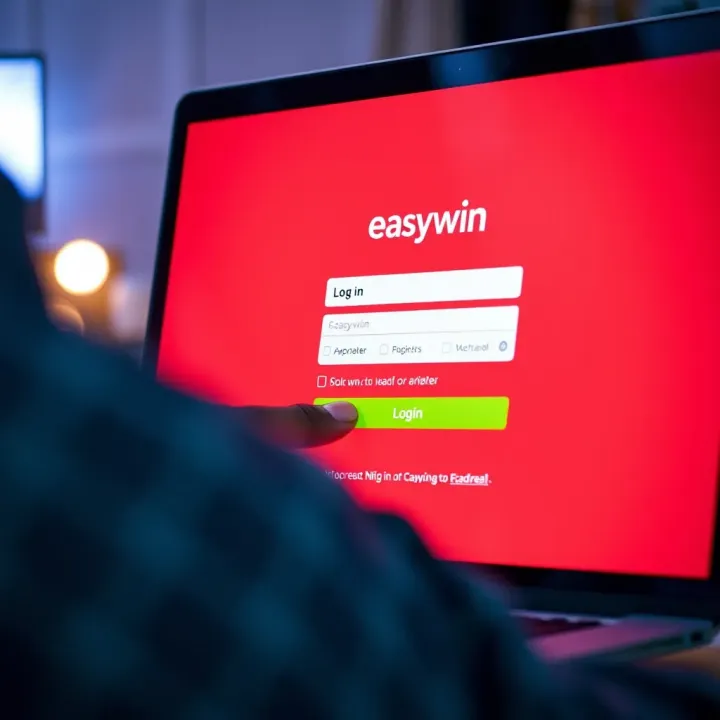
How to Log In to Easywin: Nigerian User Guide
Learn how to log in to Easywin with clear steps, tackle password recovery, avoid login issues, and keep your account secure 🔒. A must-read for Nigerian bettors!
Edited By
Nneka Okafor
Gambling in Nigeria sits in a tricky legal spot because different states and the federal government have their own sets of rules. Federal law generally permits certain types of gambling, but states have powers to regulate or even ban some activities based on local preferences. This creates a patchwork system that's not always straightforward for bettors, operators, or regulators.
Currently, the major legal forms of gambling include:
Lotteries and raffle draws licensed by the National Lottery Regulatory Commission (NLRC)
Sports betting, both at physical locations and online platforms, licensed by the National Lottery Regulatory Commission
Casino gaming, regulated mainly in Lagos and a few other states
Not all forms are fully legal everywhere; for example, slot machines and other games of chance face restrictions outside Lagos and the Federal Capital Territory. Meanwhile, illegal gambling still thrives in many states, often without proper oversight, risking players’ funds and security.
Operators must obtain proper licences from the relevant bodies, mainly the National Lottery Regulatory Commission, to run legally. Running an unlicensed betting business can lead to hefty fines or prosecution.
Online betting has exploded with platforms like Bet9ja, SportyBet, and Nairabet gaining large user bases. These platforms must follow strict guidelines, including age verification (minimum 18 years), responsible gambling policies, and anti-money laundering rules. The Central Bank of Nigeria (CBN) also monitors financial transactions to prevent fraud and tax evasion.
The interplay between technology and regulation is evolving fast. For instance, some states are pushing to introduce specific local laws to address the surge of mobile betting apps targeting their residents. However, enforcement is challenging in many areas due to limited infrastructure and overlapping authorities.
Overall, understanding the legal framework behind gambling in Nigeria means recognising:
Federal law forms the baseline but states can modify or restrict gambling activities.
Legal gambling requires licences from designated agencies, especially the National Lottery Regulatory Commission.
Online betting is legal but heavily regulated to protect consumers and the financial system.
Unlicensed operations pose legal risks and contribute to a difficult regulatory environment.
If you are a bettor or operator, staying informed about both federal and local laws helps you avoid penalties and enjoy gambling within the set legal boundaries. For finance or tech workers, understanding these rules aids in navigating compliance, risk management, and the growing digital economy linked to gambling.
This clarity is critical as Nigeria’s gambling scene is set for growth, especially with new technology making access easier but also raising fresh regulatory challenges.
Understanding Nigeria's gambling laws is essential for anyone looking to engage legally in betting or gaming activities. Gambling here is governed by a mix of federal and state laws, creating a layered regulatory environment. Knowing these laws helps bettors avoid legal pitfalls and guides operators on compliance, ensuring smoother business operations.
For instance, while federal laws set broad frameworks, states may have specific rules affecting how you place bets or participate in lotteries within their borders. This means a sports bettor in Lagos might encounter different regulations from someone in Kano.
Several older gambling laws enacted decades ago still shape the industry, but many have been repealed or are being updated to reflect modern betting trends like online platforms. The Criminal Code Act and the Gaming Act, for example, provide the backbone for legal gambling but can be outdated for today's digital betting scene. This matters practically because operators and players must know which laws apply now and which have been superseded, avoiding fines or legal troubles.
Updates in legislation also aim to close loopholes exploited by illegal operators, especially in states with growing betting markets. These ongoing changes show government's attempt to balance revenue generation through taxes with social welfare concerns.
Federal laws generally define the legality and broad parameters of gambling, but states hold significant power in licensing and regulation within their territories. This division means states can create their own lottery boards and control betting shops locally.
For example, Lagos State has its own laws regulating sports betting shops, including licensing fees and operational hours, which may differ from Sokoto State. This split authority encourages states to tailor regulations to their local circumstances but can cause confusion for operators and bettors active in multiple states.
The National Lottery Regulatory Commission (NLRC) oversees all lottery and gaming activities at the federal level. Its role includes issuing licenses for lottery operators, ensuring compliance with gambling laws, and protecting consumers from fraud.
Practically, if you play in one of the nationally licensed lotteries like the National Lotto, NLRC ensures that the games run fairly and winnings are paid promptly. The commission also enforces standards for online lottery platforms, which is increasingly relevant with the rise of digital gambling.
Each state typically has its State Lotteries Board to regulate and license lottery operators within the state. These boards enforce local gaming laws, collect fees, and monitor operators to prevent illegal activities.
For example, the Lagos State Lottery Board manages various ticket sales points and ensures that operators comply with state-specific rules. This decentralised system allows states to adapt regulation to suit their unique market needs and community standards.
Aside from NLRC and state lotteries, other agencies like the Nigeria Police Force combat illegal gambling, while the Federal Inland Revenue Service (FIRS) ensures operators pay the correct taxes. The Economic and Financial Crimes Commission (EFCC) also steps in when gambling profits mask money laundering activities.

Additionally, with the rise of online betting, the Nigerian Communications Commission (NCC) indirectly influences the sector by regulating internet service providers and telecom operators facilitating digital gambling transactions.
Understanding these agencies helps bettors and operators know who to approach for licensing, dispute resolution, or reporting abuses, which is key for staying on the right side of the law in Nigeria's complex gambling scene.
Understanding the types of legal gambling in Nigeria helps both bettors and operators navigate the complex regulatory terrain. Such knowledge ensures participants engage in activities recognised by law and under proper supervision, avoiding legal troubles. It also highlights the sectors driving growth in Nigeria’s gambling industry, opening avenues for investment and innovation.
Licensed lotteries operate under strict oversight by the National Lottery Regulatory Commission and relevant state boards. These licences ensure games meet standards for fairness, transparency, and consumer protection. For example, only licensed agencies can organise lotteries, which protects players from scams often linked with unregulated operators.
Popular lottery games in Nigeria include the national lottery, which offers draws on a regular basis, and state-specific raffles that cater to local populations. These lotteries provide accessible gambling options, with prizes ranging from modest amounts to hundreds of thousands of naira. Most Nigerians engage in these games due to low entry costs and the hope of winning life-changing sums.
The growth of sports betting companies in Nigeria has been remarkable over the past decade. Operators like Bet9ja, NairaBet, and Merrybet have expanded rapidly, tapping into Nigeria’s strong passion for football and other sports. This growth reflects increased mobile internet access and smartphone penetration, allowing millions to place bets easily through apps or USSD platforms.
Regulations governing betting shops require operators to obtain appropriate licences from state gaming authorities and comply with measures like regular tax remittance, responsible advertising, and verifying the age of customers. Licensed shops must also maintain records to prevent fraud and underage gambling, crucial for maintaining industry legitimacy.
Nigeria has a limited presence of casinos, mainly concentrated in Lagos and Abuja. Casinos operate under stringent conditions, often serving high-end clientele and tourists. Their scale pales compared to lotteries or sports betting but adds variety to legal gambling options.
Other authorised gambling activities include traditional games like card games and skill contests sanctioned by local authorities. These alternatives complement the formal gambling economy while reflecting Nigeria’s diverse cultural landscape. Additionally, online gaming platforms licensed in Nigeria add a growing dimension, bridging the gap between terrestrial and digital gambling markets.
Engaging only in licensed forms of gambling safeguards you from legal penalties and enhances your chances of a fair game. Always check for licences and regulatory compliance before placing bets or participating in any gambling activity.
Operating a gambling business in Nigeria demands strict compliance with comprehensive legal frameworks. These requirements ensure operators run their ventures responsibly, protecting both the public and the integrity of the sector. Understanding these legal stipulations helps operators avoid penalties and build consumer trust, critical in an industry often scrutinised for potential abuses.
Obtaining a licence is the first hurdle every gambling operator must cross. The application process involves submitting detailed documentation to relevant regulatory bodies like the National Lottery Regulatory Commission for lotteries or state Lotteries Boards for state-controlled activities. This documentation includes evidence of financial capacity, company registration certificates, and clearances proving no criminal records.
For instance, a sports betting company needs to demonstrate its ability to comply with financial reporting standards and maintain transparent operations. The application may take several weeks to months, depending on the completeness of submitted documents and thorough background checks by the regulator.
Licensing fees vary but can be a substantial upfront cost. Beyond fees, operators must meet ongoing compliance obligations, such as regular submission of financial audits, timely payment of taxes and levies, and adherence to operational guidelines set by the regulator. This system ensures continuous monitoring and reduces the risk of fraudulent activities.
Advertising guidelines form a crucial part of these legal requirements. Operators must ensure their promotions do not target minors or vulnerable groups and avoid misleading claims about winning chances or prize values. For example, adverts on radio or social media are often scrutinised to prevent excessive hype that may lead to irresponsible betting.
These advertising rules promote responsible gambling by preventing aggressive marketing practices that could exploit consumers. Operators found in breach may face fines or licence suspension.
Consumer protection duties are another cornerstone. Operators are legally bound to provide clear terms and conditions to players, ensure the security of personal and financial data, and offer mechanisms for dispute resolution. Some are required to implement tools for self-exclusion, allowing players to restrict their gambling if they feel at risk.
Such obligations safeguard players’ interests, fostering a safer gambling environment. They help minimise problem gambling and build accountability among operators in Nigeria’s dynamic betting market.
Adhering to licencing and regulatory laws isn’t just legal compliance; it’s a practical step towards sustainable business and consumer confidence in Nigeria’s gambling sector.
By understanding these legal requirements, operators can position themselves for long-term success and contribute positively to the industry’s growth.
Gambling in Nigeria faces several legal challenges intertwined with significant social impacts. Understanding these issues sheds light on how legislation, enforcement, and societal concerns shape the industry and affect individuals and communities alike. This section highlights key enforcement difficulties and the broader social consequences that policymakers, operators, and consumers must consider.
Despite laws regulating gambling, illegal gambling thrives in many parts of Nigeria. Unlicensed betting shops operate openly in cities and towns, especially in underserved areas where enforcement is weak. These outlets often offer games and betting services outside approved boundaries, risking consumers’ money without accountability.
Illegal operations complicate revenue collection for the government and undermine legal businesses that comply with licensing rules. For example, some illegal sports betting outfits evade paying duties to state lotteries boards, denying governments vital funds needed for development.
Federal and state agencies have stepped up raids and fines targeting unlicensed gambling businesses. Collaborative efforts among the National Lottery Regulatory Commission and state boards aim to curb illegal activities. However, enforcement struggles with resource constraints, rapid growth of online platforms, and operators who relocate quickly.
To tackle this, authorities encourage public reporting of unlicensed shops and seek cooperation with telecommunications companies to block illicit online gambling sites. These measures help protect consumers and ensure regulatory compliance, but progress remains gradual due to the sector’s scale and dynamism.
Gambling addiction is a growing problem in Nigeria, especially among youth and low-income earners seeking quick financial relief. Unregulated or irresponsible gambling practices contribute to harmful behaviours, such as chronic debt, family breakdowns, and mental health issues.
Casinos and sports betting operators are increasingly urged to implement responsible gambling measures like self-exclusion options and counselling referrals. Public awareness campaigns also attempt to educate Nigerians on recognising and managing gambling addiction risks.
Young Nigerians are especially vulnerable to gambling’s adverse effects, given the high youth unemployment rate and the allure of easy money through betting. Underage gambling remains a challenge despite legal age restrictions, as enforcement at grassroots levels is patchy.
Vulnerable groups, including those in low-income communities, face amplified risks due to limited access to support services and financial literacy. Protecting these populations involves stricter licensing controls, age verification enforcement, and targeted education on the dangers of problem gambling.
The balance between promoting legal gambling revenues and protecting society, particularly vulnerable individuals, remains a delicate task for Nigerian regulators and policymakers.
This section underscores how legal challenges and social impacts are closely connected, shaping the gambling landscape in Nigeria today.
Online gambling has become a major part of the betting landscape in Nigeria, particularly as internet accessibility and smartphone use continue to grow. It's relevant because many Nigerians now prefer placing bets on sports or playing virtual lotteries from their homes, making clarity on the legal framework essential for both players and operators. The rise of online platforms offers convenience but also raises questions around regulation, consumer protection, and cross-border challenges.
The Nigerian government requires online gambling operators to obtain licences from the National Lottery Regulatory Commission (NLRC) or relevant state lottery boards before offering services. Getting licensed ensures the platform meets standards for fairness, transparency, and security. For example, popular platforms like BetKing and Bet9ja have secured official licences to operate legally within Nigeria. This licensing process protects consumers by verifying that operators pay the necessary fees and comply with advertising and data protection rules.
A licensed operator must also show proof of technical capability to secure customer data and ensure fair play on its platform. This includes regular audits and submitting reports to regulators. If an operator skips this, players risk engaging with scams or unfair games.
One major hurdle is the presence of foreign betting sites that serve Nigerian customers without local licences. These cross-border platforms often operate outside Nigeria’s regulatory reach, making enforcement difficult. Nigerians may be attracted to such sites due to bonuses or wider betting options, but they lack protections under Nigerian law.
This situation creates a grey market where unregulated operators can cause problems such as delayed withdrawals or poor dispute resolution. The government has attempted to block some unlicensed sites, but the ease of using VPNs makes total control hard. Thus, players should prioritise licensed platforms to avoid risks tied to foreign operators who do not follow Nigerian rules.
To safeguard players, especially minors, licensed online gambling sites must enforce strict age verification and authentication processes. For instance, operators check identification documents like the National Identification Number (NIN) or Bank Verification Number (BVN) before allowing account creation. This ensures only adults participate, reducing the risk of youth addiction.
Some platforms also use software that monitors unusual account activity to prevent fraud or multiple account creations. This protective measure builds trust and accountability in Nigeria's growing online betting environment.
Responsible gambling tools are another key requirement for licensed online platforms. Players who feel they might be developing gambling problems can use self-exclusion options to block themselves from accessing the services temporarily or permanently.
For example, Betway Nigeria allows users to set deposit limits and self-exclude after repeated loss streaks or other warning signs. These tools help minimise financial harm and encourage safer betting habits. Besides self-exclusion, operators often provide links to support groups and hotlines for gambling addiction.
Players should always confirm that an online gambling platform is licensed by Nigeria's regulatory bodies and offers responsible gambling features before starting. This reduces risks and promotes a safer betting experience.
In summary, while online gambling is gaining ground in Nigeria, its legality hinges on proper licensing and regulatory compliance. Choosing licensed operators and understanding consumer protections, especially around age verification and responsible play, will keep bettors safe in this emerging digital market.
Learn how to log in to Easywin with clear steps, tackle password recovery, avoid login issues, and keep your account secure 🔒. A must-read for Nigerian bettors!

Learn how to register on Easywin, Nigeria’s favourite sports betting platform ⚽️🏀. Get step-by-step guidance, required documents, tips, and solutions to registration issues.
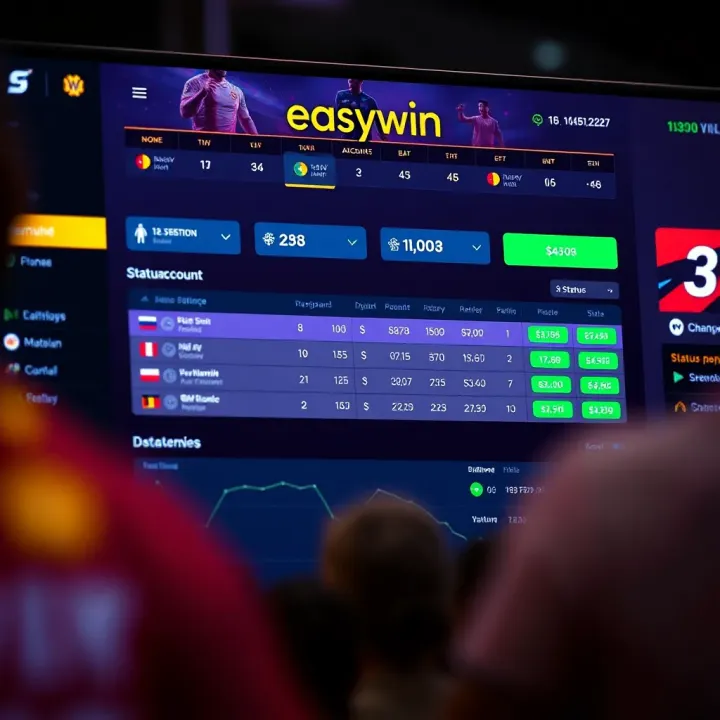
⚽ Understand Easywin status on Nigeria's top betting platform. Learn how to check, solve common issues, and keep your account safe while playing confidently. 💡
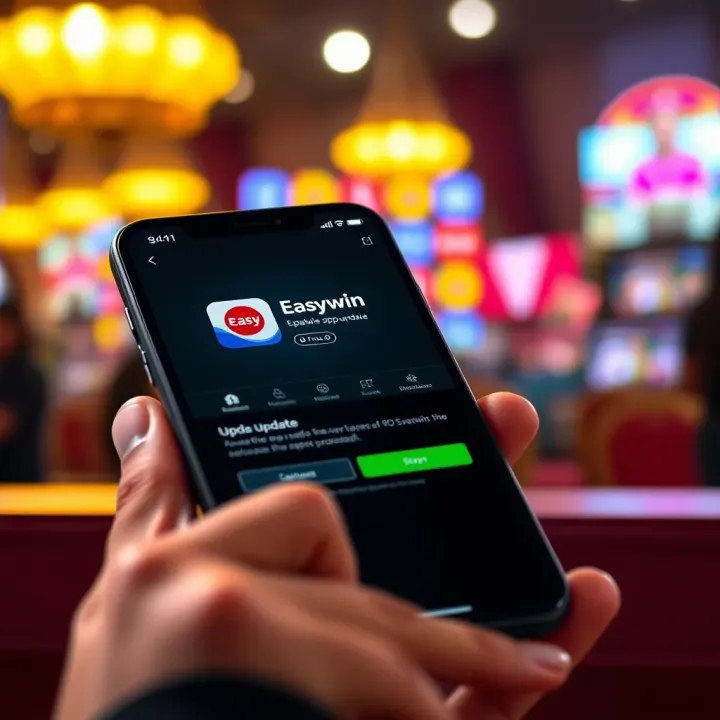
Update your Easywin app hassle-free on Android or iOS to enjoy better features and top security 🔒. Learn storage tips and fix common bugs easily on your phone 📱.
Based on 13 reviews